
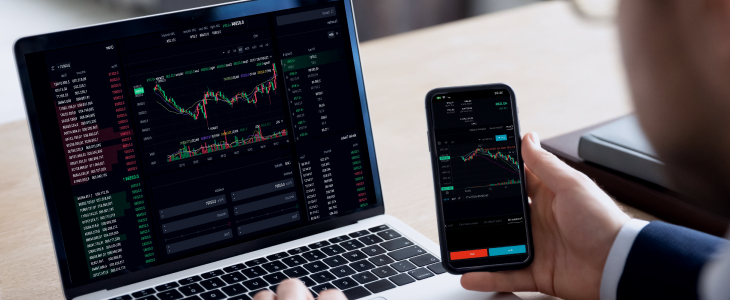
Forex day trading is a fast-paced and exciting activity that involves buying and selling currency pairs within the same trading day. This method allows traders to capitalize on short-term price movements and quickly realize profits. If you are interested in venturing into the world of Forex day trading, you will find that gaining a comprehensive understanding of the markets, strategies, and tools is essential for success. You can explore resources at forex day trading ZAR Trading to help you on your trading journey.
Understanding Forex Day Trading
Forex day trading is distinct from other trading styles such as swing trading or position trading, which involve holding positions for longer periods, ranging from days to weeks or even months. In day trading, positions are typically opened and closed within a single day, which means traders must be attentive to market movements and ready to act quickly to seize opportunities.
The Importance of Market Analysis
Successful Forex day trading relies heavily on market analysis, which can be broadly categorized into two main approaches: fundamental analysis and technical analysis.
- Fundamental Analysis: This type of analysis focuses on economic news and events that can impact currency values. Key indicators to watch include interest rates, employment data, inflation rates, and geopolitical events. Understanding how these factors influence currency markets is crucial for making informed trading decisions.
- Technical Analysis: Technical analysis involves using historical price charts and indicators to predict future price movements. Common tools include moving averages, RSI (Relative Strength Index), MACD (Moving Average Convergence Divergence), and Fibonacci retracement levels. Traders often look for patterns like support and resistance levels to guide their entry and exit points.
Developing Your Day Trading Strategy

Before you begin day trading in the Forex market, it’s important to develop a solid trading strategy. A well-rounded strategy typically includes the following components:
1. Set Clear Goals
Define what you want to achieve through day trading, whether it’s generating a specific monthly income or simply honing your trading skills. Having clear goals will help you stay focused and disciplined.
2. Create a Routine
Establishing a daily routine is essential for consistency in day trading. This includes determining the best times to trade, reviewing economic news, and analyzing technical charts. A structured routine can help enhance your performance and decision-making skills.
3. Risk Management
Risk management is crucial in day trading, as the potential for loss is always present. Effective strategies include setting stop-loss orders to limit potential losses and only risking a small percentage of your trading capital on each trade. Many traders recommend risking no more than 1% to 2% of your total capital on a single trade.
4. Choose the Right Currency Pairs
Not all currency pairs are created equal. As a day trader, you may want to focus on pairs with high volatility and good liquidity. Major pairs like EUR/USD, USD/JPY, and GBP/USD are popular choices, as they typically have tight spreads and can offer significant trading opportunities.
The Power of Technology in Day Trading
In today’s digital age, technology plays a vital role in Forex day trading. Traders are often equipped with advanced trading platforms that provide real-time market data, charting tools, and automated trading options. Here are some technologies that can aid your day trading endeavors:
1. Trading Platforms
A robust trading platform is essential for executing trades quickly and efficiently. Look for platforms that offer customizable charts, technical indicators, and a user-friendly interface.
2. Automated Trading Systems
Many day traders utilize automated trading systems (also known as algorithmic trading) that execute trades based on predetermined criteria. This can relieve some of the emotional pressure of trading and help you stick to your strategy consistently.
3. Economic Calendars
Using an economic calendar is crucial for day traders. It helps them stay informed about important economic events and data releases that may affect the market. By knowing when these events are scheduled, traders can prepare their strategies accordingly.
Psychological Aspects of Day Trading
Day trading is not just about numbers; psychological factors also play a significant role in a trader’s success. Emotions like fear and greed can lead to poor decision-making. It’s important to control impulses and maintain discipline even during periods of high volatility.
1. Staying Disciplined
Having a well-defined trading plan is essential, but adhering to it can prove challenging, especially when emotions run high. Traders should practice self-discipline and stick to their predefined rules for entering and exiting trades.
2. Managing Stress
The fast-paced nature of day trading can be stressful. It’s vital to take breaks, maintain a healthy work-life balance, and engage in stress-reduction techniques such as exercise, meditation, or hobbies outside trading.
Conclusion
Forex day trading can be a rewarding venture if approached with the right mindset, strategy, and tools. By developing a thorough understanding of market analysis, cultivating a disciplined trading routine, and effectively managing risks, traders can enhance their chances of success. Remember that patience and practice are key components in mastering the art of Forex day trading. As you continue on your trading journey, be sure to continuously learn and adapt to changing market conditions, keeping your skills sharp and your objectives clear.