
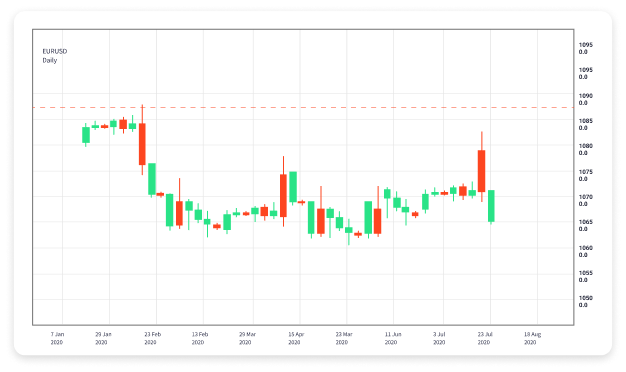
In the dynamic world of forex trading, signals play a critical role in guiding traders through the complexities of the market. Whether you are a beginner or an experienced trader, understanding forex trading signals can provide the necessary insights to optimize your trading strategies. This article will explore various aspects of forex trading signals, including their types, how to interpret them, and the various tools available to traders, such as forex trading signals Trading Platform TH.
What are Forex Trading Signals?
Forex trading signals are suggestions or recommendations regarding buying or selling a currency pair at a specific time and price, usually provided by expert traders or automated signal generation tools. These signals help traders make informed decisions and capitalize on market trends and patterns.
Types of Forex Trading Signals
There are several types of forex trading signals, each offering different insights into market conditions. The two main categories are:
- Technical Signals: These signals are derived from technical analysis of price charts, using indicators, patterns, and historical data to predict future movements.
- Fundamental Signals: These signals are based on economic news, announcements, and geopolitical events that can affect currency values.
How to Interpret Forex Trading Signals
Interpreting forex trading signals can vary depending on the source. Signals can be delivered through various mediums such as email, SMS, or mobile applications. Here are some common components to look for in a trading signal:
- Currency Pair: Identifies which currencies to trade (e.g., EUR/USD).
- Buy/Sell Indicator: Indicates whether to buy or sell the currency pair.
- Entry Level: The price at which to enter the trade.
- Stop Loss: A price level to limit potential losses.
- Take Profit: A price level to secure profits once reached.
Benefits of Using Forex Trading Signals
Using forex trading signals can offer several advantages:
- Time-Saving: Signals can save traders time by providing ready-to-use suggestions.
- Enhanced Decision-Making: Signals can help traders make more informed decisions based on market analysis.
- Risk Management: The inclusion of stop loss and take profit levels can assist in managing risk effectively.
Factors to Consider When Choosing Forex Trading Signals
Finding the right forex signal service is crucial. Here are some factors that can help in making a suitable choice:
- Track Record: Look for a provider with a proven track record of accurate signals.
- Transparency: The service should provide clear information on how signals are generated.
- Cost: Consider whether the cost of the service aligns with your trading budget and expected return.
Integrating Signals into Your Trading Strategy
While forex trading signals can be invaluable, it’s essential to integrate them wisely into your trading strategy. Here are some tips for effective integration:
- Use Multiple Signals: Consider using signals from different sources to cross-verify and enhance the reliability of your trades.
- Adapt to Your Trading Style: Tailor the signals to fit your trading style, whether you are a day trader or a long-term investor.
- Continuous Learning: Use signals as learning opportunities to improve your understanding of market behavior and trading techniques.
Automated Forex Trading Signals
With advancements in technology, many traders now rely on automated trading systems that generate signals based on algorithms. These systems have their own advantages and considerations:
- Efficiency: Automated systems can analyze large amounts of data quickly and accurately.
- Emotion-Free Trading: Automation helps eliminate emotional trading decisions, leading to a more disciplined trading approach.
- Need for Vigilance: While automated systems can be effective, it’s important for traders to monitor them regularly to ensure optimal performance.
Common Mistakes to Avoid
When using forex trading signals, traders must be aware of common pitfalls that can hinder their success:
- Over-Reliance on Signals: Relying solely on signals without conducting personal research can lead to poor decision-making.
- Ignoring Market Conditions: Signals must always be contextualized within the broader market environment.
- Neglecting Risk Management: Never disregard stop loss levels, as they are essential for protecting capital.
Final Thoughts
Forex trading signals are a powerful tool that can enhance your trading experience. By understanding their types, how to interpret them, and integrating them into your trading strategy, traders can position themselves for success in the unpredictable forex market. Always remember that while signals can provide guidance, ongoing learning and practice are key to becoming a successful trader.